Platforms
Three platforms, five programs, one approach.
Each platform is a different biological entry point into the same idea: use RNA to help the immune system recognize and attack solid tumors.
IONC101 / IONC102
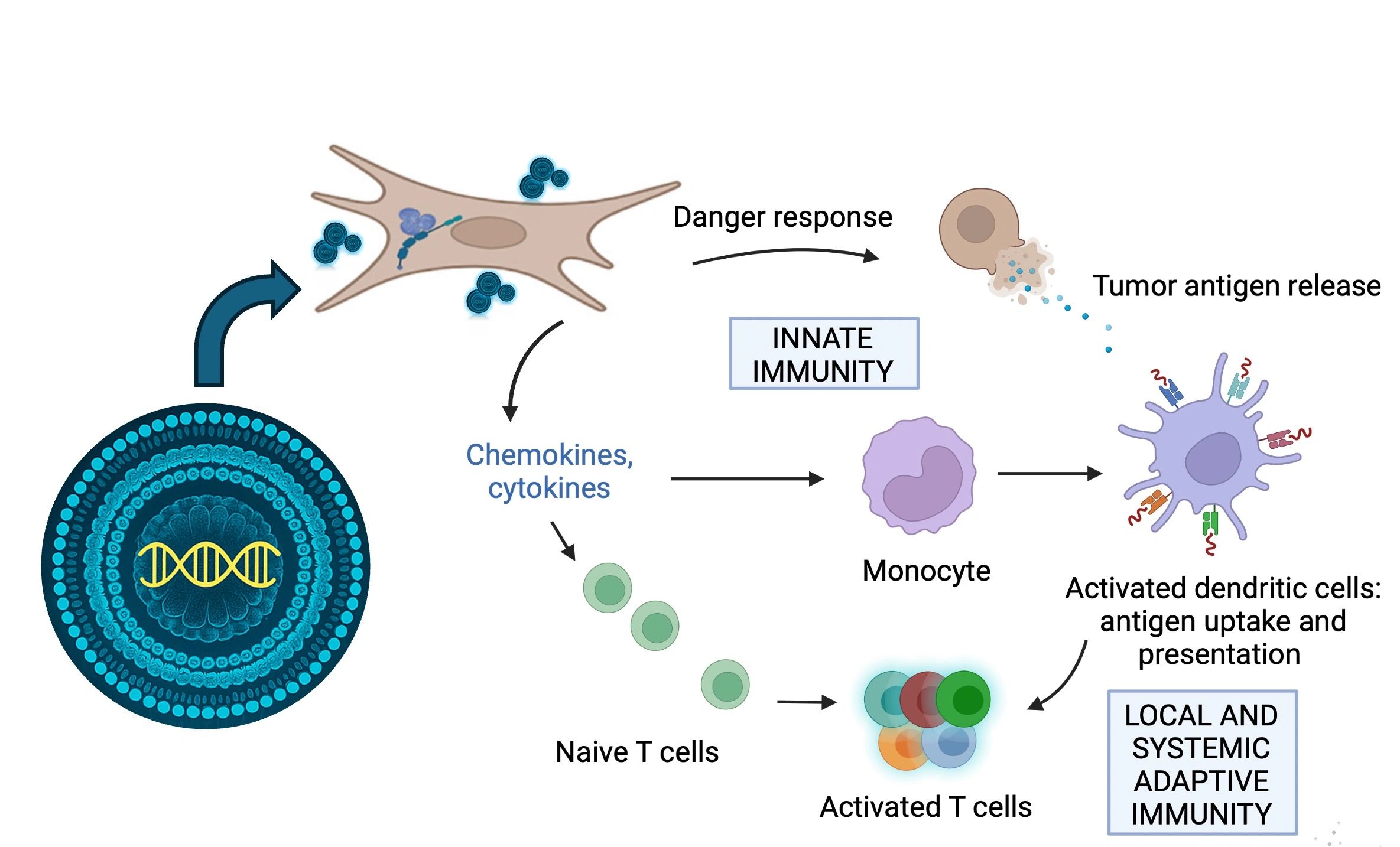
Multilamellar RNA nanocomplex
Priming the battlefield and programming a precision tumor attack.
RNA is delivered in layered lipid particles to prime a broad immune response against tumor antigens. IONC101 is designed to prepare the patient’s immune system for battle: by selectively engaging systemic and intratumoral innate immune sensors, the platform creates an environment primed for a potent, targeted tumor attack.
Through its unique structure–function relationship, IONC101 delivers a personalized set of tumor-specific antigens while conditioning the patient’s immune landscape, so that newly reprogrammed immune cells have the signals and support they need to overcome tumor defenses and sustain a durable anti-cancer response.
IONC102 pairs the same delivery platform with AI-optimized, off-the-shelf antigens, starting in glioblastoma. Through a partnership with SandboxAQ, an Alphabet spinout, iOncologi is using AI to design and optimize the antigens for IONC102.

Clinical status
IONC101 is in Phase I clinical evaluation in adult and pediatric glioblastoma, with early translational data supporting activation of both innate and adaptive immune pathways and an acceptable safety profile.
IONC101
Personalized RNA nanocomplex
Glioblastoma, personalized
Phase I ongoing
IONC102
AI-optimized, off-the-shelf
Glioblastoma
IND-enabling
IONC201 / IONC202
UNIFYR
Off-the-shelf mRNA designed to prime the immune system to help more patients respond to checkpoint inhibitors.
UNIFYR is designed to be off the shelf. Because it does not depend on the tumor’s own sequence, no tumor biopsy or sequencing is needed to make it, and it is intended to apply across patients and across multiple solid tumor types.
The approach builds on iOncologi’s foundational U.S. patent, exclusively licensed from the University of Florida Research Foundation, covering RNA-based formulations that enhance tumor responsiveness to immune checkpoint inhibitors. Findings published in Nature Biomedical Engineering and Nature link RNA-driven immune activation to improved survival among cancer patients receiving immune checkpoint inhibitor therapy.

IONC201 UNIFYR
Off-the-shelf mRNA plus checkpoint inhibitor
NSCLC and other solid tumors
Phase II/III planned
IONC202 UNIFYR
Proprietary antigen mRNA plus checkpoint inhibitor
NSCLC
IND-enabling
The research behind it
TAR001 · TargImmune
Tumor-targeted nanoparticles
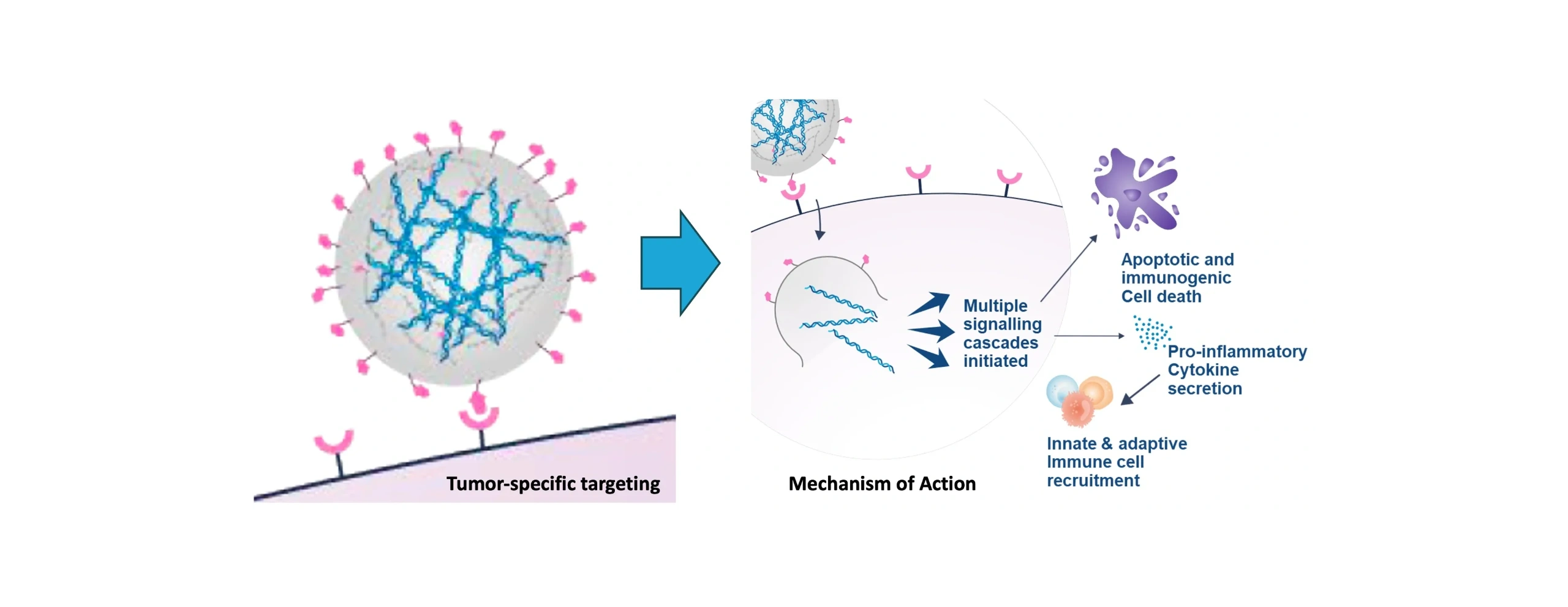
Tumor-targeting biodrones that kill tumor cells directly and activate the immune system.
TAR001 uses RNA nanoparticles targeted to EGFR-expressing tumor cells. It directly targets solid tumors with a novel payload designed to dismantle immune suppression within the tumor microenvironment.
Delivered through our proprietary tumor-targeted nanoparticle system, the platform is designed to reprogram local immune activity and sensitize tumors to immune checkpoint inhibitors. By restoring immune visibility and disrupting resistance pathways, it aims to turn “cold” tumors into inflamed, treatment-responsive sites and unlock the full potential of combination immunotherapies.
TAR001 is developed by TargImmune, an iOncologi subsidiary.

Development status
TAR001 is IND/CTA-ready, with first-in-human studies planned in EGFR-positive solid tumors. Preclinical data show potent tumor-specific immune activation and synergy with checkpoint inhibitors.
TAR001
Tumor-targeted nanoparticles
EGFR-positive solid tumors
IND/CTA-ready; first-in-human planned
See where each program stands.
The pipeline shows all five programs across preclinical, IND-enabling and clinical stages.
Let’s talk about what comes next.
Whether you partner or collaborate in research, the team would like to hear from you.